As cat parents, we always want our feline companions to feel comfortable in their own skin. If your kitty is dealing with dry, itchy skin, a dull coat, or stiff joints, adding cat skin and coat supplements to their bowl can make a dramatic difference. Specifically, Omega-3 for cats has become a staple recommendation in the veterinary world. But is fish oil safe for cats, and how do you choose the best fish oil for cats from the hundreds of options available? In this guide, we break down the clinical benefits of marine lipids, compare standard options to premium salmon oil for cats, and help you choose a safe, effective daily dose to naturally improve your pet’s long-term wellness. 🐾
Disclaimer:
As an Amazon and Walmart affiliate I earn a small commission at no extra cost to you. Thank you for supporting my small business.
🐾 🛒 Prefer to shop on Amazon?
We’ve gathered all of these vet-approved formulas into one convenient, curated list. You can browse, compare, and instantly add them to your cart via our Official Vet-Recommended Cat Food Amazon Storefront.
🐾 The Benefits of Omega-3 for Cats: Beyond a Shiny Coat
- Soothes Pruritus and Dry Skin: EPA actively blocks the cellular pathways that trigger inflammation in the skin. This significantly reduces chronic itching, dandruff, and hot spots caused by environmental allergies.
- Restores Coat Luster and Minimizes Shedding: The essential fatty acids deeply nourish feline hair follicles. This leads to a rich, glossy coat and reduces excessive shedding, which naturally lowers the frequency of hacking up hairballs.
- Eases Stiff, Arthritic Joints: Omega-3 fatty acids decrease the production of inflammatory cartilage-destroying enzymes. For senior cats, this reduces joint pain, increases daily mobility, and makes leaping or climbing stairs much easier.
- Provides Crucial Renal and Cardiac Protection: Vets frequently recommend Omega-3s for cats dealing with chronic kidney disease (CKD) because it lowers blood pressure in the kidneys. It also stabilizes heart rhythms and protects cardiac tissue.
- Boosts Cognitive Function and Vision: DHA makes up a massive portion of the structural fats in a cat’s brain and retina. Regular supplementation keeps senior minds sharp to combat cognitive decline, and assists in vital kitten brain development
🐱 Nutritional Note:
While Omega-3 fatty acids are incredibly powerful, they work best when paired with a high-quality daily diet. If you want to make sure your kitty is getting optimal nutrition from their bowl, explore our expert guide on the best vet recommended cat food for sensitive stomachs and weight care to find the perfect baseline recipe.

Omega-3 for cats is one of the easiest upgrades for skin and coat health — and it pairs well with essentials in our best cat supplies guide
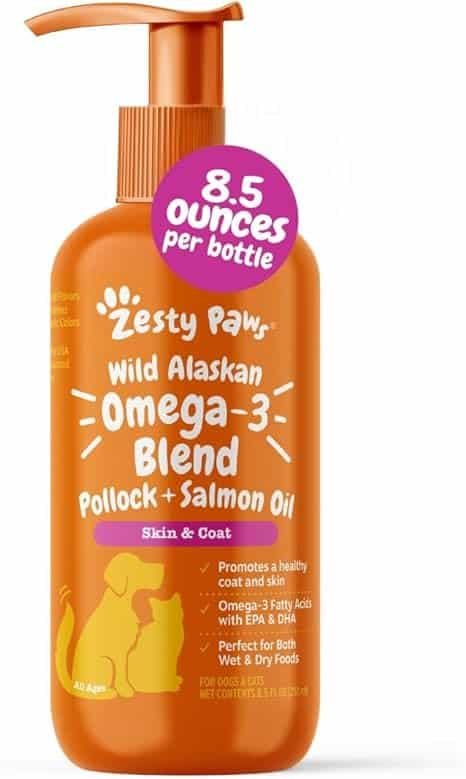
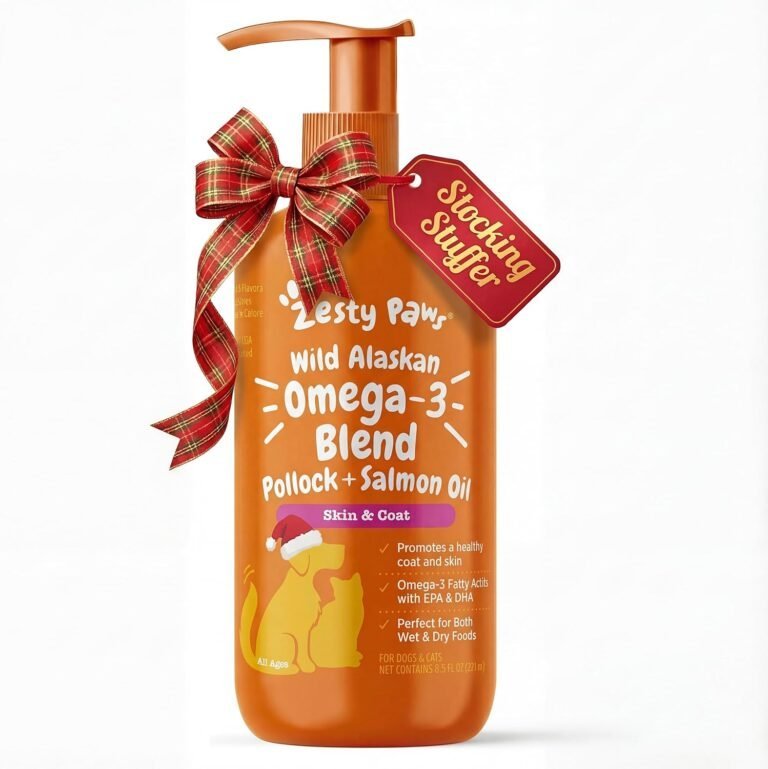
Zesty Paws Wild Alaskan Omega-3 Blend (Pollock + Salmon Oil)
- Key Ingredients: Wild Alaskan salmon oil, wild Alaskan pollock oil, and mixed tocopherols (Vitamin E as a natural preservative).
- Why Vets Recommend It: Combining pollock and salmon provides a more robust profile of both EPA and DHA fatty acids than salmon alone. Vets love that it includes Vitamin E, which acts as a powerful antioxidant and prevents the fish oil from oxidizing inside your cat’s body.
- Pros:
- Wild-caught in Alaska; sustainably sourced and free from artificial colorings or flavorings.
- The convenient pump bottle makes it incredibly easy to dose right over your cat’s regular wet or dry food.
- Dramatically reduces dander and excessive shedding within a few weeks of consistent use.
- Cons:
- The large 32 oz bottle pump can occasionally leak or drip if not wiped down after use.
- Because it blends two fish types, the scent can be quite strong for sensitive human noses.
🐾 Frequently Asked Questions About Omega-3 & Fish Oil for Cats
1. Is fish oil safe for cats?
Yes—high-quality fish oil is completely safe for most cats when administered in the correct dosage. Always choose premium products sourced from clean, wild, cold-water fish and strictly adhere to the manufacturer’s recommended serving sizes. If your pet suffers from chronic allergies or a sensitive stomach, it is always best to consult your veterinarian before introducing any new daily supplement.
2. How much fish oil should I give my cat?
3. What type of omega-3 is best for cats?
4. Can all cats take salmon oil?
While the vast majority of felines can safely take salmon oil and love the rich flavor, it may not be suitable for every pet. Cats diagnosed with specific fish allergies, chronic pancreatitis, or those on strict veterinary prescription diets may require a different nutritional approach. Always introduce it slowly and closely monitor your cat’s appetite, stool quality, and digestion.
🐾 Is Fish Oil Safe for Cats? What Every Owner Needs to Know

Healthy skin can also be supported by cleaner air and less dander — an automatic litter box like Fumoi helps.
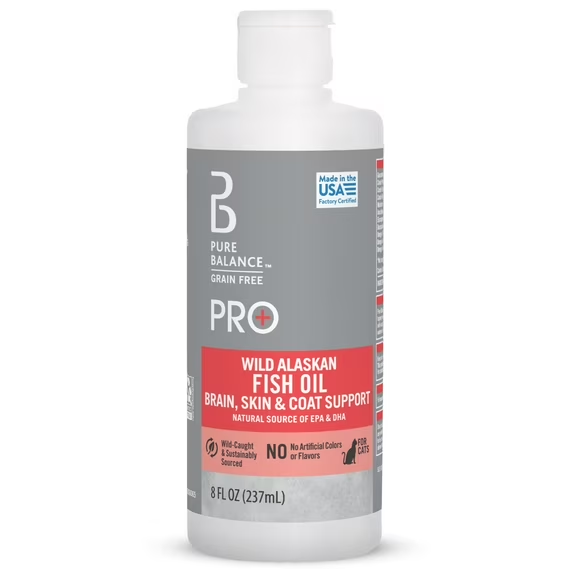
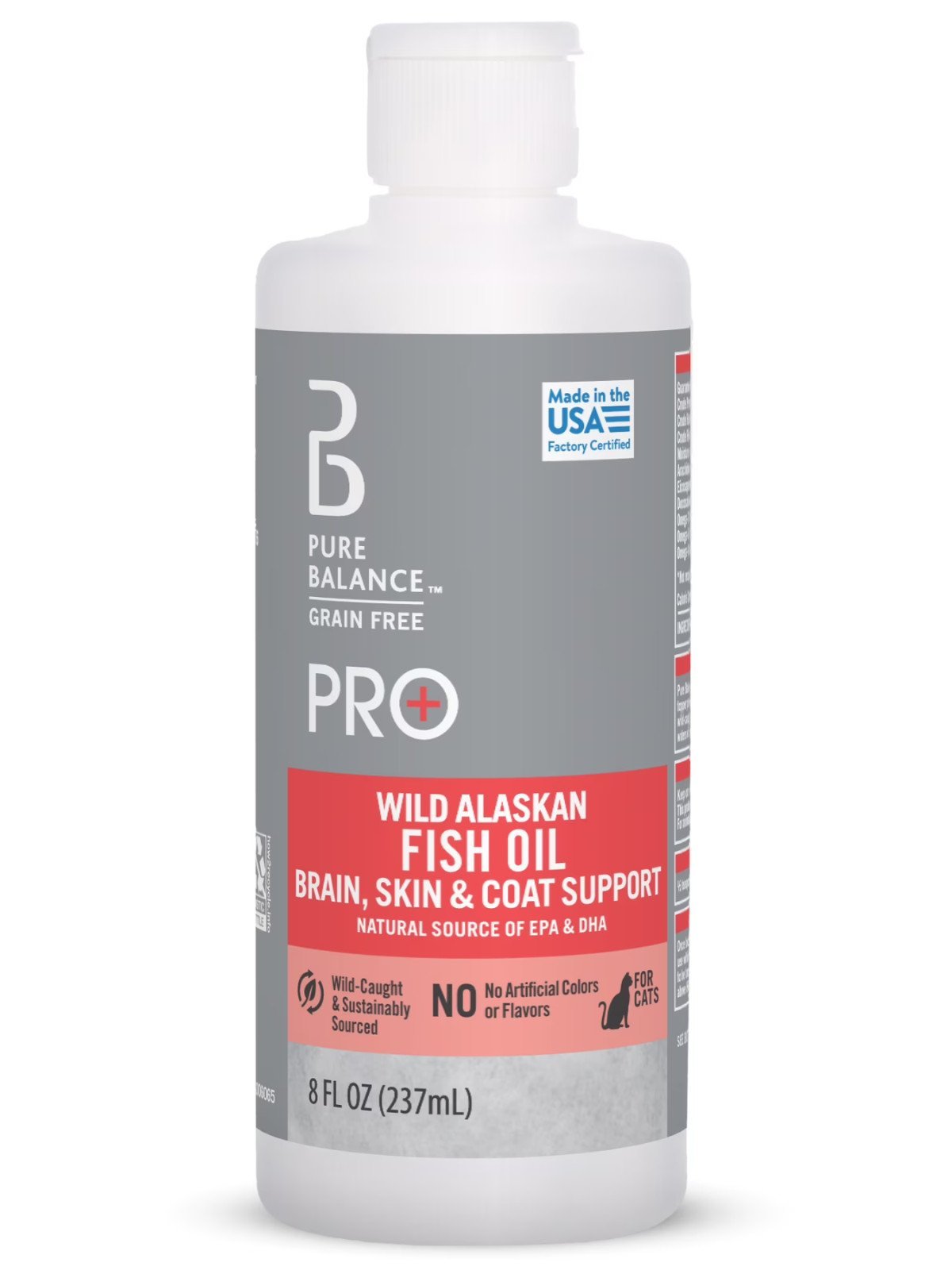
Pure Balance Pro+ Wild Caught Alaskan Fish Oil for Cats
- Key Ingredients: 100% Wild-caught Alaskan fish oil, mixed tocopherols (Vitamin E).
- Why Vets Recommend It: Vets respect single-source marine oils because they make it easy to manage a cat’s diet, especially if the animal has known sensitivities to specific fish types. The inclusion of natural Vitamin E ensures the oil remains stable and highly effective inside the cat’s digestive tract.
- Pros:
- Made with 100% wild-caught fish, drastically lowering the risk of artificial toxin exposure.
- No artificial colors, artificial flavors, or chemical preservatives.
- Highly fluid consistency mixes seamlessly into wet food without changing the food’s texture.
- Cons:
- Does not come in a pump bottle; uses a standard pour or dropper top which can require extra measuring.
- Because it lacks artificial maskers, it possesses a very authentic, strong fish aroma.
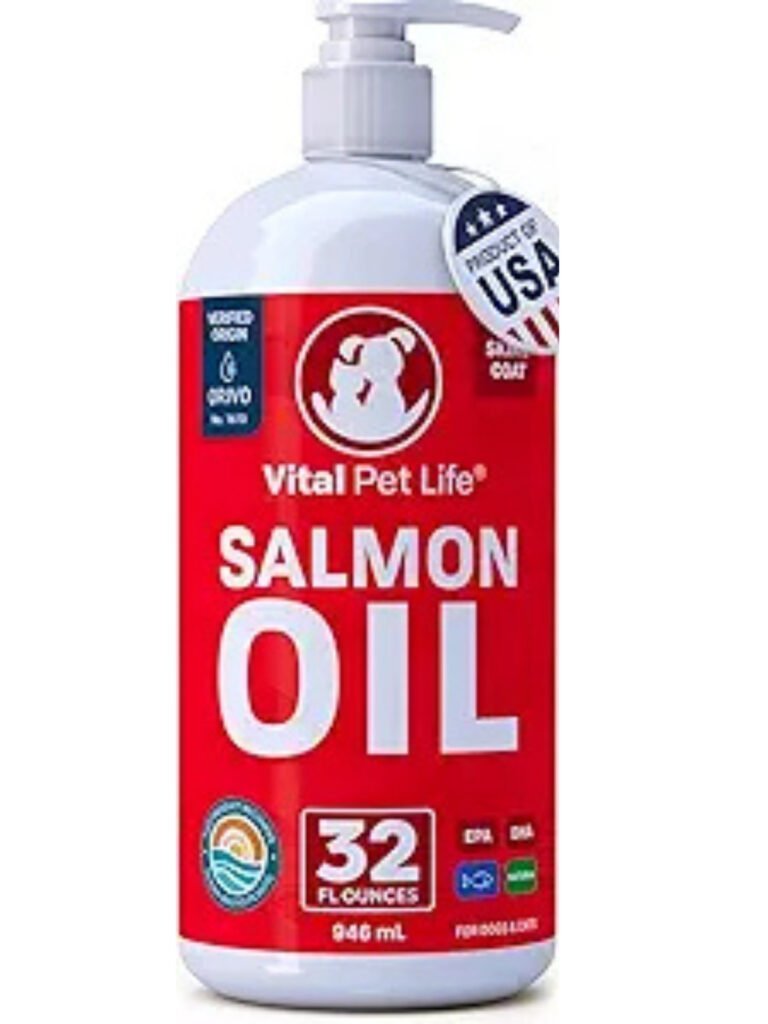
Premium All-Natural Wild Alaskan Salmon Oil Supplement
- Key Ingredients: 100% Pure wild-caught Alaskan salmon oil.
- Why Vets Recommend It: Pure salmon oil contains high concentrations of natural antioxidants alongside its heavy Omega-3 payload. Veterinarians frequently recommend it because it offers comprehensive systemic support—tackling everything from coat health and skin allergies to joint and bone preservation in aging felines.
- Pros:
- 100% all-natural formula with zero synthetic additives, fillers, or water dilution.
- Rich, authentic salmon flavor makes it a fantastic appetite stimulant for picky or stubborn eaters.
- Provides excellent joint and bone support by naturally dampening everyday joint inflammation.
- Cons:
- Pure liquid formulas must be stored correctly (ideally refrigerated after opening) to maintain freshness.
- The high potency means you must strictly follow the weight-based dosage instructions to prevent loose stools.
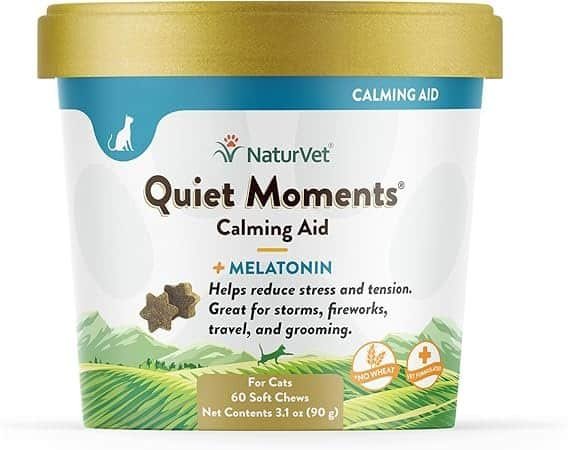
If your cat struggles with stress, our calming supplements for cats guide can help too
🐾 When Should You Consider Cat Skin and Coat Supplements?
- Dry, Flaky, or Itchy Skin: Frequent scratching or dandruff along the lower back.
- Heavy, Excessive Shedding: Losing massive clumps of loose fur outside of normal seasonal changes.
- Dull, Thinning, or Coarse Fur: A brittle coat that has lost its natural luster and shine.
- Seasonal or Environmental Allergies: Redness and irritation caused by pollen, dust, or fleas.
- Painful Hot Spots: Raw, inflamed patches of skin caused by obsessive licking or chewing.
- Joint Stiffness & Low Mobility: Reluctance to jump onto furniture, especially common in aging felines.
Choosing the Best Fish Oil for Cats: Salmon Oil vs. Marine Blends
- The Big Advantage: Palatability. Cats are instinctively drawn to the rich, robust scent and flavor of salmon oil. It acts as an excellent food topper for picky eaters.
- The Drawback: Because salmon are larger, longer-lived fish, there is a slightly higher risk of environmental toxin buildup compared to tiny baitfish. Always ensure your salmon oil states that it is wild-caught and molecularly distilled to guarantee the removal of heavy metals.
- The Big Advantage: Purity and stability. Because these small fish sit much lower on the marine food chain and have short lifespans, they naturally accumulate far fewer environmental toxins and heavy metals. They are also exceptionally sustainable.
- The Drawback: The scent can be incredibly sharp and intensely “fishy.” While many cats love this, it can leave a stronger odor around the feeding dish than pure salmon oil.

Oimmal Omega-3 Liquid Fish & Salmon Oil Supplement
- Key Ingredients: Wild-caught salmon oil, marine fish oil (anchovy and sardine), and Vitamin E.
- Why Vets Recommend It: Vets appreciate everyday preventative supplements that include a blend of small fish (like anchovies and sardines) because they are inherently lower in environmental toxins. The addition of Vitamin E ensures the product maintains its nutritional value without turning rancid in the bottle.
- Pros:
- Features a drip-free pump dispenser that makes daily weight-based dosing quick and mess-free.
- Blends multiple fish oils to create a highly balanced ratio of EPA and DHA.
- Gently reduces normal, daily dander and minor environmental skin irritation.
- Cons:
- The bottle size is smaller than some competitor brands, meaning multi-cat households will go through it quickly.
- Extremely picky cats may require a slower, drop-by-drop introduction to get used to the natural aroma.
🐾 Why Salmon Oil for Cats Is a Powerful Omega-3 Option
Salmon oil for cats is one of the best natural sources of EPA and DHA, the omega-3s that help improve skin health, reduce inflammation, and create a softer, shinier coat. It also tastes good to most cats, so even picky eaters usually accept it. This makes salmon oil an easy and effective omega-3 supplement to add to your cat’s daily routine.
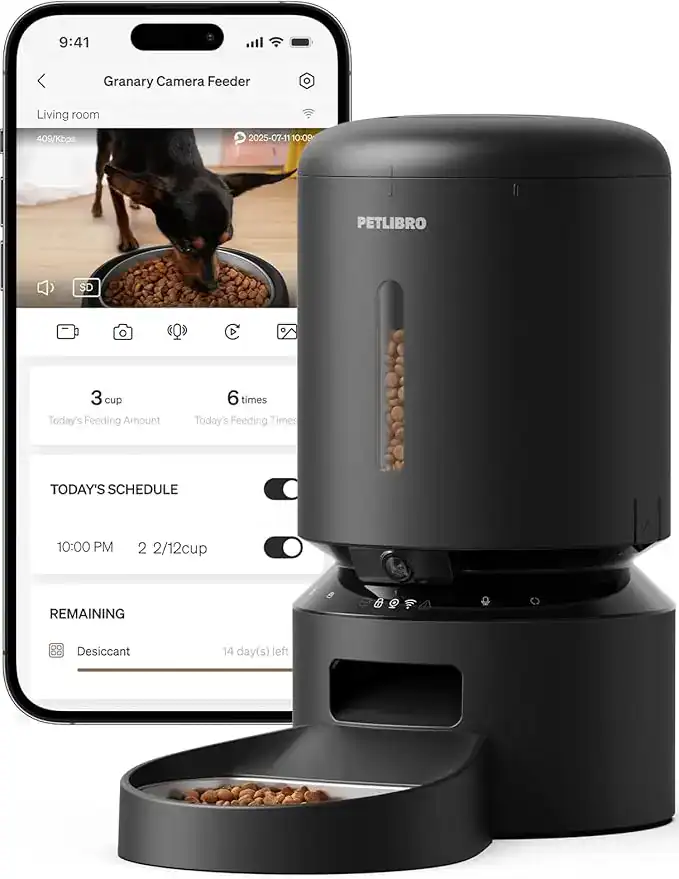
If you want a more consistent feeding schedule for your cat, check out my top picks for smart automatic cat feeders — great for keeping meals and supplements on track.”